Sweet and Sickly

Everything in moderation, including moderation. That’s Wilde … but did he really mean everything, including sugar, or was Oscar teasing us? What would he say since we consume immoderate amounts of the sweet stuff? And does it matter anyway?

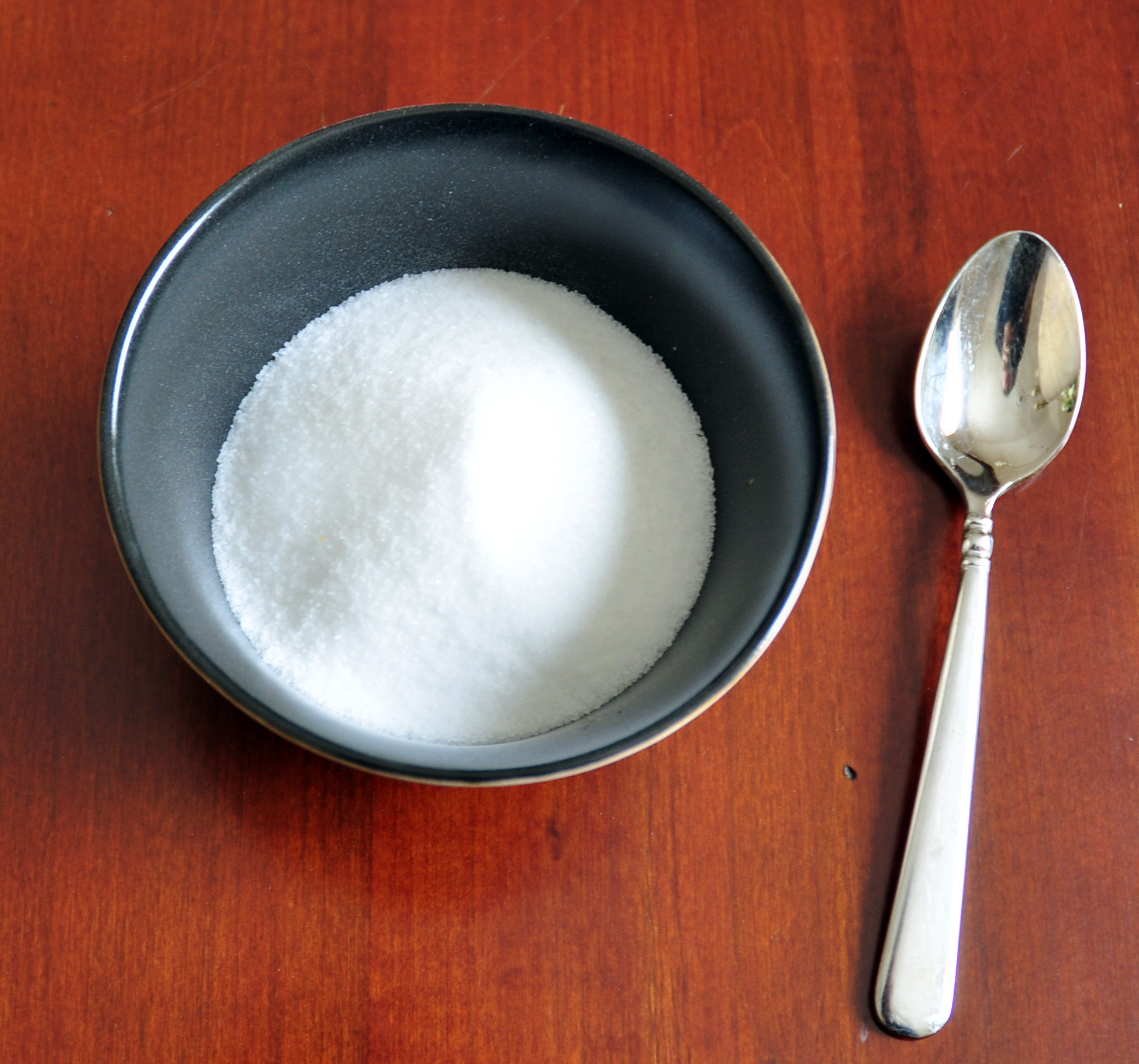
granulated sugar

Sugar for a man-year

Some twenty years ago, I asked my students in Edinburgh to keep a food diary for their physiology class. Two weeks later they calculated their daily average rations of protein, fat, carbs, and micronutrients. Some of the young men consumed half of their carbs as sugar—equivalent to a 3 lb bag (1.4 kg) every week—mainly in candies, cakes, sodas, juices, bread, processed foods, and, of course, ad libitum volumes of beer. At that rate they swallowed four tons of refined sugar in a lifetime, contributing over 20 % to their total calories. The women consumed rather less of everything, but some were nonetheless so shocked that they abruptly changed their food choices, and sugar was first for the axe.

Scotland has been the land of “bread and buns” since Greenock became a Sugaropolis on the River Clyde. Ships docking after plying the Atlantic trade route from the West Indies provided a bustling trade that made sugar cheap enough for everyone to afford to excess. You can find it added to most things on your pantry and fridge shelves—from apple juice to zucchini in cans—often unnecessarily or excessive. Sugar consumption boomed throughout much of the Western World, and there was hardly ever a whimper of reproach.

Why would anyone protest? Isn’t a sweet gift a token of love? Parents, friends, and guests would buy candies, chocolate, ice cream, and candy floss (“candy cotton”) for us children, and more recently (if only in Scotland), deep fried Mars bars with a whopping 1,000 sweet, greasy calories. We were told that candy was good because it “gave us energy” (as if we were not hyperkinetic enough), and no one accused the gift-bearer of harming children. It was good for school dentists too, who labored like road workers inside our gaping mouths with jackhammers and caterpillar excavators. Ever since Queen Elizabeth I smiled a row of blackened stumps, “British teeth” have been synonymous with crumbling ruins for North American dentists.

Raw Mars bar before deep frying

Raw Mars bar before deep frying

Apart from the black mark of caries, ‘sweetness’ has resonated in our language for centuries with everything wholesome and beautiful— a sweet girl/ boy/ spirit/ victory/ life/ air/ scent/ friendship.  And Hamlet’s mother in her adieu, “Sweet to the sweet, farewell.”

Sweetness and sugar are interchangeable and both sound positive in almost every way, including financially. Sugar futures are safe bets for investors because the commodity reaches multiple markets—food, drink, fuel. And when Great Grandpa Francis took a retirement job as chairman of the International Sugar Council he was in a sweet spot. Harrowing memories of slave labor had faded, and there were none of the modern worries about environmental and nutritional impacts.

Neither did our doctors ever condemn a sweet tooth, as far as I can remember. However, unknown to us and yet not far from home there was a maverick fighting a single-handed battle against sugar interests.

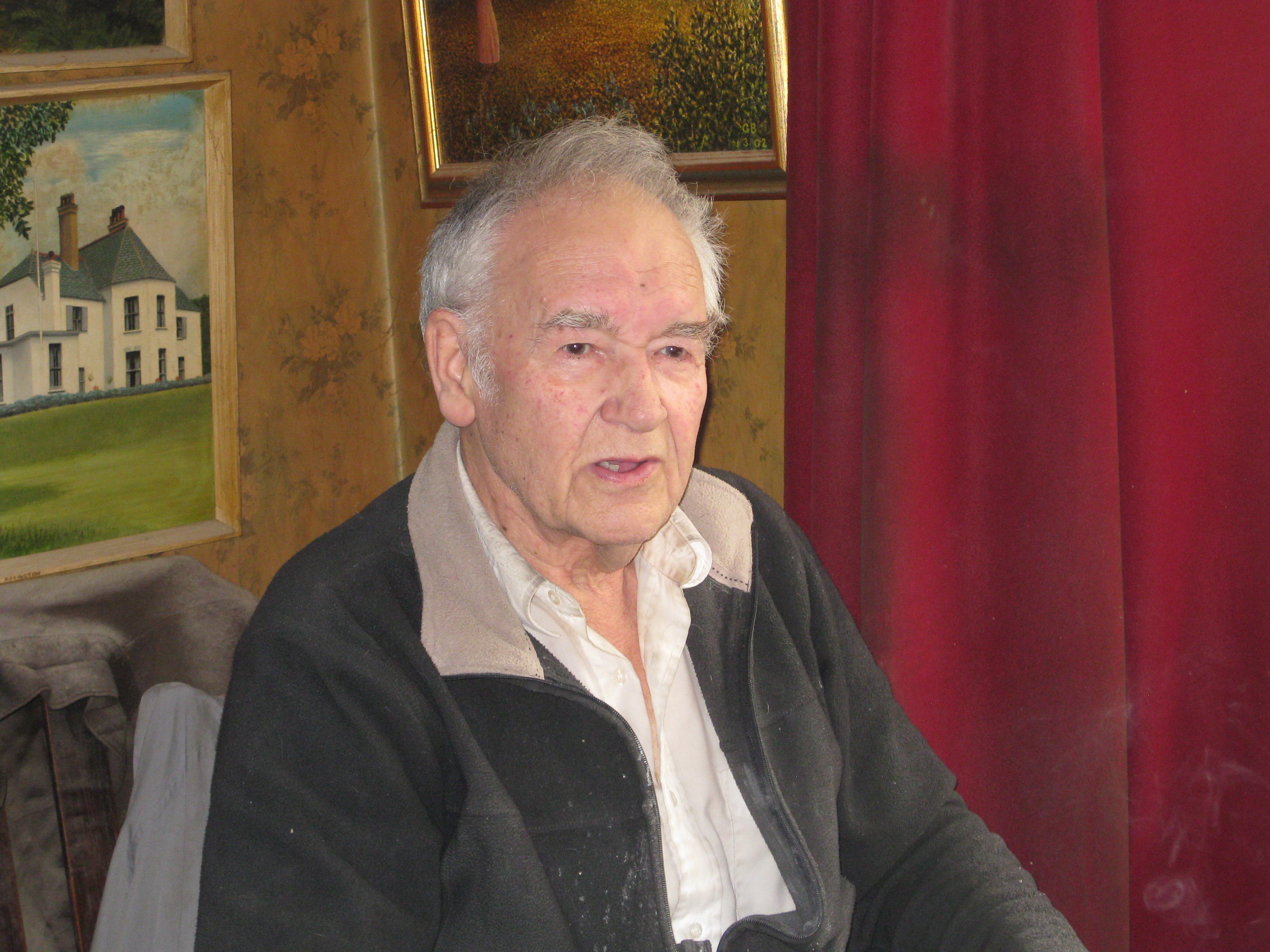
John Yudkin

A book pulled from the dustbin

John Yudkin (1910- 1995), a London professor of physiology, published Pure, White and Deadly in 1972 (Sweet and Dangerous in the USA). The title reads like an Agatha Christie arsenic plot, but his book claimed that sugar is a slow poison, and that did not endear him to his profession or the industry. They strenuously barred him from guest lectureships and expert panels, although with typical British understatement, he wrote that, “relations with one or two friends in industry have occasionally become rather strained.” He also had the rare distinction of his book being condemned even before it was published: “(this book) is science fiction … and for your dustbin” (The World Sugar Research Organization).  The criticism must have pained him, because he was a “jolly man” according to one of my colleagues.

If World Sugar represented the bitter enemy in industry, Ancel Keys at the University of Minnesota was his bête noire in academia (blogpost December 21, 2014). After President Dwight Eisenhower suffered a series of heart attacks in 1955, American epidemiologists focused on the growing epidemic of heart disease, and Dr. Keys led the campaign against saturated dietary fat and for lowering blood cholesterol. Keys made the front cover of Time magazine and leaves a legacy of official dietary advice and food choices in our supermarkets.

Yudkin was a rare critic of Keys’ famous Seven Countries study of health and diet, and much else that claimed to prove a case against animal fat. He argued that the choice of countries was arbitrary, and sometimes the link with disease and obesity was stronger with sugar than fat. Moreover, the Canadian Inuit and African Masai subsisted on high fat diets (>50% of calories) consisting of meat, blood, blubber, and milk without developing heart disease, or at least until they adopted a Western diet. It was a similar story for Sephardic Jews before and after migration from Yemen to Israel. And the acclaimed Mediterranean diet, which is poor in ‘bad fats’ and rich in ‘good’ ones, happens to be low in sugar.

Rather accusingly, he said the low fat bandwagon was based on the elementary error of assuming that a correlation proves causation, and after it started rolling it was propelled by vested interests. As far as I know, he never met its architect, Ancel Keys, which was probably merciful because they might have come to blows, verbally if not worse. The bitterness went deeper than an esoteric tiff between academics because Keys had brought round his government, much of the medical profession, and the food industry to his cause. If he was wrong, there was blood on his hands—bad dietary advice to the nation would fail to roll back the tide of heart disease, and this has not happened after fifty years. As if to rub salt in a wound, Yudkin showed the correlation with disease is better for TV ownership, which is not as ironic as first sight. Heart disease is associated with all the hallmarks of affluence—sedentary lifestyle, obesity, smoking, fatty and sugary diets. The story is complex.

Perhaps he deliberately exaggerated as prophets are wont to do. He had to struggle to get attention from a profession and authorities who had turned their backs on him. Not only did he single out sugar as a chief cause of the triad of heart disease, obesity, and adult-type diabetes, but claimed it might be responsible for a mixed bag of gout, diverticulitis, dermatitis, duodenal ulcers, vision problems, and even cancer. In claiming sugar was the bogeyman of so many ailments he gave opponents a better chance to ridicule him. He wasn’t taken seriously until after his death, when another outsider stepped forward to carry the baton.

Gary Taubes in a New York Times magazine article (July, 2002) asked, What if fat doesn’t make you fat? Like his predecessor, he thought the triad was more likely caused by hormonal changes.

When glucose is absorbed into the bloodstream it stimulates insulin secretion from the pancreas. Insulin keeps glucose in check by a ‘handshake’ with a receptor on cells that opens a gate for glucose to enter where it is burnt for energy or stored as fats, to excess if sugar and insulin remain high. How the metabolic balancing act leads to a spectrum of disease is still being worked out, but its disorders seem to be related to the aging process. While studying worms in her lab at the University of California, Cynthia Kenyon found that insulin-like genes switched on by a sugary diet shorten their lifespan. After her discovery, she switched to a low glycemic diet.

Mother’s rule at the meal table was wiser than she knew. My brothers and I regarded the savory course as something to struggle through before we were rewarded with a sweet dessert. We were never allowed to reverse the order. The protein and fat lying heavy in our stomachs when the sugar came down the chute delayed gastric emptying, slowing its path into the small intestine for absorption and curbing a rush of glucose into the blood. Likewise, she forbad candy between meals, which avoids an unnecessary glucose spike, although her rationale was to dodge the dentist.

Yudkin also admitted struggling with a sweet tooth when young and an expanding waistline in mid-life. He slimmed by switching to a low-carb diet, which was a long time before we heard about the Atkins diet. But he wasn’t the pioneer of low carbs; that credit belongs to a Victorian Londoner, who, as a coffin-maker, knew something about corpulence. William Banting (1796-1878) found a low-carb diet helped him to slim, and he broadcast his discovery in a book that sold well, if not in medical circles. By an odd twist of history, one of his descendants won the Nobel Prize in 1923 for the discovery of insulin. Banting’s formula was close to the modern paleo diet, which I will return to in another blogpost.

Yudkin might chuckle now that sugar is portrayed as the new tobacco. You know the climate of science has changed when America’s First Lady and Dr. Oz have taken theories on board, even if the originator is forgotten.

But how could so many experts be so wrong for so long? Science is the most objective path to knowledge, but still a human endeavor. When a complicated case is heard in the court of science the judgment depends not only on the evidence presented but on the outcome of a clash between the prosecutor and defending attorney. Ancel Keys would have made a very persuasive trial lawyer and, more importantly, nutritional science makes hard cases.

Nutrition has been called kitchen science as one of the softer life sciences. It may look like a pure, white meringue with a hard crust, but squeeze it and you find a soft, gooey center. The more complicated the subject the greater the uncertainty, and the chemical complexity of food is compounded by the genetics and lifestyles of diners. And unlike testing a new drug, it is almost impossible for a study to strictly control the diet of its subjects long enough to reveal divergences in health. Consequently, we have a smorgasbord of slimming diets and food fads which are hard to prove or dismiss.

I favor Michael Pollan’s commonsense philosophy: “Eat food/ Not too much/ Mostly vegetables” (In Defense of Food). He applauds food that is not highly processed, farming practices with environmental integrity, and diets based on moderate food choices that reduce glycemic carbs. But it may not have appealed to Oscar Wilde who loved sweetmeats, and his father, Dr. Sir William Wilde, made his fortune in the sugar industry.

Next Post: Who knows about Fructose?

Posted in Biomedical | Tagged , , , , , , , , | Comments Off on Sweet and Sickly

Where the Bee Sucks

There are compensations of being cooped up indoors in wintertime. Bilbo Baggins looked forward to the long evenings in his hole at Bag End when he could relax in an armchair toasting his feet in front of a blazing fire. It’s a time of greater idleness and harder to rouse oneself even for a few steps from a comfort zone to the pantry for a snack. And bee colonies are likewise.

As the outside temperature falls below freezing, they huddle deep inside their hive to maintain a remarkable 90 °F. (32°C.). The workers who labored so hard on warm days earlier in the year are now idlers that rarely bother to snack, and no longer share their precious honey stores with drones that died off in the fall. The queen is at the quiet center of the bee-ball. She has stopped laying eggs, and won’t resume until February when the colony must expand rapidly for the coming nectar flow.

honeycomb

Cosy-up in the comb

Honey stores gradually run down over the cold season. On warm days, a few workers head out to forage for the few hours before sundown, but it is a risky business because if nectar and pollen are scarce the flights may have a negative energy balance. Bee colonies often perish from starvation at the end of winter, just a few days or weeks before food is plentiful again.

The beekeeper who stole most of the honey hoarded last summer must replace it. Trading sugar for honey seems good to him. But the sugar-water that was welcome in warmer months needs lots of energy from beating wings to evaporate it, and can increase the danger of condensation inside the hive. So we give candy to the bees, and why not at Christmas?

On a warm Christmas Day like today there was no danger of chilling the bee-ball when I lifted the inner cover to check the girls. I took a bar of candy out of Santa’s sack and rested it on the frames of empty honeycomb. The candy was home-made by boiling concentrated sugar with a few drops of essential oils until it caramelized and set into solid bars. It’s toffee for bees. A few lethargic workers crawled from their warm place to inspect the treat. Last year, I tested whether they could tell the difference between refined sugar and non-caloric artificial sweetener, because some people find it difficult. Of course bees aren’t so easily fooled. They know that real sugar is vital for survival, but it’s a different story for our species.

Next Post: Pure and Poisonous

A Merry Christmas to my readers

Posted in Animalia | Tagged , , | Comments Off on Where the Bee Sucks

A Healthy Oil Change

Smoke curling out of an open window or from under a car hood is a bad omen, and smoky chimneys and cigarettes emit toxins. It often means bad news, and we made a metaphor of it, There’s no smoke without fire. But occasionally it seems almost wholesome.

I used to enjoy it gently billowing over a wok before I threw vegetables on the hot oil to stir-fry. Perhaps smoke from cooking is welcome because the kitchen is a sanus sanctuarium— provided the oil doesn’t catch fire! I wonder if different notions about smoke rarely cross-fertilize because they are processed in separate registers on the right and left sides of my brain. No doubt there’s a lot more mental subtlety involved, but one day when smoke from a wok on the kitchen hob made me cough my right brain woke up to ask why. Wasn’t it a healthy smoke? And, if not, what kind of chemical brew was I creating?

It’s a question that has been studied more by biological chemists than you might think from the few media reports, although some food warriors have posted smoke signals. When I started reading tidbits from scientific journals I understood why.

When any kind of vegetable oil is heated a chain reaction starts to evolve aldehydes like acrolein, 4-hydroxynonenal, and a bevy of other unfamiliar molecules. Heated above the ‘smoke point,’ the rates of reactive aldehyde formation climb ever higher. Some of these molecules are known mutagens that can form adducts with DNA, making them candidate carcinogens. Polyunsaturated fatty acids in oils recommended by the authorities are more vulnerable to oxidation than the monounsaturated types because they have more double bonds. Saturated fat, which by definition have none of them, are much more stable. Suddenly, it dawned on me that home cooking can make my home more polluted than the street at rush hour.

Healthy or unhealthy fats

Good, bad or ugly fats?

If vapor was the sole danger I could avoid it by turning up the extractor fan, but my meal was bathing in a toxic slush. Since higher temperatures and long cooking times increase the problem, I wondered how many times cooking oil is re-used at the fast food joint where I sometimes buy a burger and fries?  I also thought about my neighbor who saves oil from his deep fryer after cooking a Christmas turkey? Perhaps it’s safer dining at home.

Restaurant chains can reduce oil oxidation under a blanket of non-reactive nitrogen, or at least test the quality of any reused oil, but home cooks don’t have that option until there is a mass spectrometer for the kitchen countertop. Meantime, we blithely follow recipes regardless of chemistry, and have to rely on our senses and common sense for safe cooking.

The first precaution is to watch for smoke, which is a warning that the oil has spoiled and should be replaced. The second is to sniff over the pan because an acrid smell points to acrolein in the vapor. And the final test is to taste the oil.

smoke test for vegetable oils

Smokey wok

When I compared several cooking oils by heating them to 400 °F. (204 °C.), the extra virgin olive oil and walnut oil were smoking before they reached this temperature, and their fruity notes were gone and tasted bitter. These oils had already gone bad. But refined oils like canola had higher smoke points, and though they started tasteless they remained that way. Lastly, I opened a large bottle of olive oil which had just passed its sell-by date. Since it smelled rancid, oxidation was happening at room temperature and, reluctantly, it had to go. Vegetable oils are a kitchen doctor’s dilemma that Mum never had to worry about. How did it happen?

As heart disease grew to epidemic proportions, the American nutritionist, Ancel Keys, led a charge against saturated animal fat over fifty years ago. He was followed by an omnibus of researchers, medical societies, and government officials who transformed the national diet which we still have (but I won’t say enjoy). The arguments were based on apparently unassailable reason and facts—energy-rich fat makes us fat, and dietary cholesterol deposits in atheromatous plaques. Clinical surveys (occasionally) helped to prove the low fat revolution was sound.

vegetable oils

Which cooking oil?

But when animal fats were thrown out of the diet the food industry had to fill the gap. Where would the missing calories come from, and what would replace the fat needed as shortening for pastries, cookies, etc? The industry turned to vegetable oils rich in polyunsaturated fats. This decision seemed a safe bet, especially because they were already marketed as margarines created by chemical conversion of liquid oils to partially hydrogenated trans fats. These products had the dual virtues of remaining solid at room temperature (like butter) and having a high smoke point for deep-frying (like lard or beef tallow). As the demand for more vegetable oils bloomed, farmers sowed fields with ever larger crops of rapeseed and soybean. However the safety of trans fats was not sufficiently scrutinized until recently when were they banned in restaurants, food labeling was mandated and the F.D.A. posted a health warning. The complex mixture of unnatural isomers in trans fats are implicated in a wide range of diseases, and now it’s their turn to be condemned.

The food industry is reluctant to return to animal fat because of the legacy of research stretching back to Dr. Keys and the stamp of officialdom. Although a search for substitutes continues, refined vegetable oils have found a new role in deep frying. They are presented as a healthy choice because they don’t raise the ‘bad’ type of cholesterol (LDL), although a rather weak predictor of heart disease in most people. You seldom read about the downside.

The public continues to be subjected to a vast dietary experiment that fails to conquer cardiovascular disease, which still beats cancer to the top of the C.D.C. list of causes of mortality. Switching from animal fat to trans fat and from trans fat to refined vegetable oils have been hailed, in turn, as advances in public health, but we may have ended up with a new cancer risk, or at least a concern that deserves more research. Moreover, as dietary calories from fat have declined over the years they have been replaced by refined carbohydrates, which are now held responsible for obesity and diabetes emerging in children. It’s hard to grasp the scale of disease, disability, and death that can be traced back to dietary recommendations over the last two generations.

I hope people are thinking more about their diet, and listening less to official prescriptions. The relationship between our food and health is far more complicated than the experts were wont to believe. I hope that people fret less about fat in their diet than about the environment in which crops are grown and farm animals are husbanded. There are far too many vested interests in our food choices. Mum’s cooking probably wasn’t as unhealthy as the next generation assumed when they squirmed at the larded memory. I’m sure her pastry, cakes, and cookies tasted better than those served today.

I have turned the tables on cooking fats and oils at home. Margarine and polyunsaturated spreads are out, butter is in. Butter can be good even at high temperatures if the solids and water are removed by clarification. And if lard ever reappears on supermarket shelves I may pull out one of Mum’s old recipes.

For high temperature cooking, I often use refined oils, like safflower, which have high smoke points; olive oil and tasty nut oils are reserved for salad dressing and other cool uses. The pros and cons of different oils otherwise confuse me because the composition of healthy fatty acids (usually meaning omega-3s) and antioxidants vary with the source, season, and storage conditions. Of course, we choose those that taste best (the unprocessed kinds), but I am more focused now on safe cooking to avoid nasty radicals generated by oxidation. And I am more careful about storage conditions, meaning for shorter periods in the cool and dark. I even squeeze drops of vitamin E from capsules into bottles of vegetable oil to help preserve them.

Cheating TimeThese concerns about dietary fats are new to me, though they shouldn’t be. As long ago as the late 1950s, Denham Harman (1916-2014), a gerontologist at the University of Nebraska, was expressing doubts about the wholesale adoption of vegetable oils in the national diet. As a former chemist at Shell Oil, he knew that unsaturated fats are unstable and susceptible to oxidation. In one of my books published in the 1990s (Cheating Time), I mentioned his free radical theory of how oxidized lipids cause cell aging and disease. But the penny didn’t drop in a lifetime of cooking until I leaned over a smoky wok one day.

[In coming weeks  I will post about sugar and salt]

Next Post: Where the Bee Sucks

Posted in Biomedical | Tagged , , , | 2 Comments

A Zoo-to-Go

For kids growing up in London during the austere decade after WWII, it was a special treat to be taken to the zoo by parents or school teachers. The zoos were crowded. Children had to be hoisted on the shoulders of grown-ups to see the big cats pacing in their cages, and catch the eye of Guy the gorilla across the moat. We had no guilty feelings then about their cramped quarters, because we assumed the animals were there for our entertainment. Nor did we learn much about their wild nature or the habitats from which they were taken. We thought it would be cool to be zookeepers pushing joints of meat under the bars for tigers, tossing herrings for sea lions to catch, and locking our school ma’am in the reptile house at the close of day. But, in hindsight, there wasn’t much difference between the zoo and Wormwood Scrubs prison, except for the species incarcerated.

There were no parklands for those animals to roam, except outside London at Whipsnade.  But zoos have come a long way. The naturalist and author, Gerald Durrell (1925-1995), was regarded by the Establishment in those days as a maverick for calling on zoos to change into centers for captive breeding of endangered species instead of being public exhibitions of unhappy creatures. As is the way of pioneers, he is now celebrated as a visionary and memorialized at the Durrell Wildlife Park for conservation, but there was one thing he never changed. You still had to go to his zoo to see animals.

New Quarter Park, Virginia

Clyde takes his traveling zoo to a public park

One of our master naturalist friends, Clyde, is also a zookeeper, but not the kind I ever imagined. He was more radical than Durrell when he created a portable zoo that could be taken to children in their classrooms and to public parks. The critters were collected in his neighborhood or the local churchyard under state collection and exhibition permits. Reptiles and amphibians were returned to where they were caught a few days earlier, while other creatures were cared for at home. His zoo is transported in shopping bags in his car trunk and, although none of the big predators and venomous snakes beloved by children can be included, his small critters have been tremendous hits. Since it was launched in 2007, he has entertained and educated over 13,000 children and adults across five school districts in south-east Virginia.

The mission of this zoo is education instead of conservation. Clyde was concerned that most children are less connected with nature nowadays than when he was growing up. Few of them grow up on farms or want to visit city zoos or are allowed to roam the countryside unsupervised, and their days are brimful of organized activities and screen time. The writer, George Monbiot, worries that, Without a feel for the texture and function of the natural world, without an intensity of engagement almost impossible in the absence of early experience, people will not devote their lives to its protection.

We can hope the newly-minted generation will be more caring about the environment than their predecessors, but I think the chances are much greater for those who have met Clyde and seen his menagerie. Watching how they respond to his lessons warms our hearts, the lower grades 2 through 5 especially. When Clyde and his “zoo cru” of helpers transfer critters from Tupperware boxes and glass jars to trays on the front desk, there is plenty shuffling as boys and girls strain to identify the collection of beasts—beetles and butterflies, mantises and millipedes, slugs and snails, salamanders and skinks, toads and turtles. There are a few skins, scales and shells for creatures that are too rare or too dangerous for live ones to be let loose. The boldest kid steps forward to ask if a giant hissing cockroach could rest on his sleeve. Even those who stood nervously behind the front row eventually want to tickle a roly-poly or poke the leaf litter to make a centipede scurry. Giggles and questions go in circles like whirligigs. Some questions from minds full of innocent curiosity are disarmingly penetrating.

Virginia Master Naturalists

“Want to stroke the spotted salamander in my bucket or the Madagascar hissing cockroach on my sleeve?”

Clyde explains that every species has its own life history, then tells their stories. One of his favorites is about the community that lives under logs, where he finds many of his critters. He asks the class what they expect to find when they roll a log over. A short arm shoots up with an answer, usually its “beetles” or “spiders.” He then spins nine yards of ecology, and I doubt any other lesson that day captures more attention.

Leaning forward to the class, he tells them dark secrets about beetles. They feed on the wood rotting on the underside of the log. He shows them a little bag containing brown, granular material. “It’s beetle poop,” he confides (more giggles). “It will be made into healthy soil particles by tiny things called decomposers.” But life under the log is not all rosy. There are predators just as voracious as on the African plain. Beetles, slugs, and spiders are eaten by salamanders, frogs and toads, and occasionally a long black racer winds under the log to gobble all of them up. “After we looked under the log, we must roll it back,” he tells them. “We have to care for nature because all things are connected, including ourselves.”

praying mantis

Amen – the praying mantis

Clyde loves to quote the wisdom of American Indians, but it was Rachel Carson who expressed his role, If a child is to keep alive his inborn sense of wonder … he needs the companionship of at least one adult who can share it, rediscovering with him the joy, excitement and mystery of the world we live in.

Most children in this district only have one opportunity to see his zoo, so you might wonder if they will remember his stories in the future. Surely, their memories will gradually sink in their unconscious minds and become overlaid with hosts of new stories and experiences. But they won’t die. I think they will linger underground, maybe for years or even decades, like fungal hyphae which, when fertilized by soil, season, and time, will suddenly sprout above ground into the light as toadstools full of fruitful spores.

Clyde is now a retired zookeeper, but others are continuing his mission.

Thank you, Clyde, for life lessons!

Next Post: A Healthy Oil Change

Posted in Animalia | Tagged , , , , | Comments Off on A Zoo-to-Go

Thanks given for Wild Turkey

Christmas has the sound of carols while July Fourth the sight of fireworks, but only one American holiday has an aroma. A breeze of savory turkey from the kitchen is the essence of Thanksgiving. How it came to be associated is something of a mystery, but it’s a nice compensation for losing the vote to bald eagles when America chose its national bird.

wild turkeyWe can’t be sure if they were on the menu at the very first Thanksgiving in the 1600s. Even the date and place of that celebration is contested. According to a tale often told, Thanksgiving began when persecuted Puritans arriving in God’s land from England celebrated their first harvest with new American Indian friends in Massachusetts. It is a story that nicely chimes with the proud national history we like to tell children.

But some twenty miles up the James River in Virginia, at the Berkeley Plantation (formerly Berkeley Hundred), a plaque commemorates a thanksgiving service in December 1619, a full year before the first Pilgrim Father stepped off the Mayflower.

Wee ordaine that the day of our ships arrival at the place assigned for plantation in the land of Virginia shall be yearly and perpetually kept holy as a day of thanksgiving to Almighty God.

The Berkeley bunch of rugged pioneers was more in tune with profit than piety, and they even had an entrepreneurial clergyman. According to legend, their Episcopal priest distilled the first bourbon whiskey from Indian corn in 1621—though the claim attracts a spirited rebuff from patriotic Kentuckians. But there can be no doubt that the colonists needed southern comfort, because the following year they were raided by Indians and the survivors had to be evacuated to the fort at Jamestown. Thanksgiving was suspended at Berkeley for some years, leaving the northern upstarts with the reputation of an honored meal in perpetuity.

The colonists would say that Thanksgiving turkeys today are a pale, vast, and grotesque transmogrification of their wild relatives that fatten naturally on mast in the fall woods. Wild turkey was daily fare for them, much as rabbit was for their relatives in England. I imagine children complaining when mothers served it for the umpteenth time. It requires rarity and high market price for us to value delicacies. Over-hunting brought a turnabout, although in the past century wild turkeys have become common again through conservation efforts and reintroduction to where they had been extirpated.

We see them rustling through leaf litter in woods, gleaning fields, and even waddling along roadsides, with their disproportionately tiny heads bobbing constantly. If you come within a couple of hundred feet of them, you may be surprised how shy they are and the speed with which they vanish in a racket of whirring feathers. Remember, they are flying carcasses with heavy payloads of breast meat.

They know when it is hunting season, and gather in small parties of adults and jakes because the more eyes the better. There were thirteen in our woods last week, but if they had bigger brains they would know it’s an unlucky number.

A Merry Thanksgiving to all my American readers.

Next Post: A Zoo to Go

Posted in Other | Tagged , , , , | Comments Off on Thanks given for Wild Turkey