GM Human Eggs Have Arrived

We heard confirmation last week of rumors that scientists at Sun Yat-sen University in southern China were trying to change the DNA of freshly-fertilized human eggs. This “first” in science was greeted with horror, hand-wringing, and a storm of criticism. Why the fuss?

They were testing a new technique in abnormal embryos donated to research by an in vitro lab. Their goal was to avoid a common, heritable disease by correcting a faulty gene. The target was the beta-globin gene because it codes for oxygen-carrying hemoglobin, but causes beta-thalassemia when it is mutated. Four per cent of people in south-east Asia have one or two copies of this mutation; over 55,000 affected babies are born with beta-thalassemia every year worldwide. Those babies die without monthly transfusions of matched blood or a bone marrow transplant, if they can get them.

Curing this genetic scourge would be a big deal. First, it would break mutations from cycling through the generations of affected families, although treatment will never eliminate the sporadic risk of a fresh mutation. Second, a breakthrough could be a model for challenging other genetic diseases, especially when the fault is confined to a single locus.

If this background sounds so positive and worthwhile, why is it excoriated instead of celebrated as a life-saving technology?

The news was a déjá vu moment for me. While working in Edinburgh in the 1990s, I was seized by a controversy over ovarian transplants while colleagues who cloned Dolly the sheep across town were caught up in a media whirlwind. The language used to describe those efforts was the same as in current media reports and interviews, seasoned with bogey-words like Playing God, Dr. Frankenstein, Gattaca, eugenics, slippery slope, GM designer babies, genetically-engineered human race, etc.

I presume the Chinese researchers were not motivated by those nightmares, but focused on the hope of curing a dreaded disease. There are, of course, plenty of examples where a discovery has had unintended consequences, including radioactivity and DNA itself. We are still juggling with their consequences, but few will deny the net benefits, and we can never turn the clock back to un-discover something that is abused. Admittedly, when genetically-modified (GM) humans are conceived in the future by so-called germline modification, biomedicine will cross a Rubicon because changes in the DNA of a fertilized egg are inherited by every cell in the body, including the gametes which pass the changes down to children and to children’s children. When that happens, our species will begin evolving on a self-determined path and bioethics will face its sternest moment.

Meanwhile, a debate boils over a study that made such a small contribution to knowledge that it was rejected by two top journals. The media hype will no doubt rouse some hastily scrawled letters to Members of Congress urging them to stop mad scientists! Congress, of course, has no powers over foreign research and federal regulation of American labs (one at least is reportedly engaged in similar research) is highly unlikely because we still don’t have laws for regulating in vitro labs (although federal funds for human embryo research are banned). In hindsight, the uproar we experienced in the 1990s was wasted heat, because ovarian transplants now enable former cancer patients to conceive healthy babies naturally and the prospects of cloning human babies are still remote.

For many years, GM or “transgenic” mice have been engineered using a complex, transgenerational process to introduce or remove harmful mutations. But that technology could never be applied in humans, as I explained in Designing Babies: the Brave New World of Reproductive Technology (1999):

“Nowadays, extremely precise genetic changes can be made in the laboratory. Every week we hear about mice that have been given a gene before birth to replace a defective one or have had another one knocked out by a mutation to see what will happen. Many people have heard about the famous “oncomouse” which develops cancer after an induced genetic change, though most heritable changes are not so adverse. Immense benefits are flowing from this technology as it provides a better understanding of how diseases develop and can best be treated … experiments with mice have shown that it is possible to reverse a natural mutation by introducing a correct copy of the genetic flaw to make the mouse completely well. There are many such revealing examples of genetic engineering in animals. If these changes can be made so accurately in a mouse, why not in a human too?” (page 121)

The Chinese researchers have answered me using a new gene editing tool called CRISPR/Cas9, which was discovered as a defense against viral infections in bacteria. CRISPR/Cas9 is a molecular duplex consisting of a targeting and a cutting module, and this toolkit has been adapted for deleting or replacing short segments of DNA in mouse embryos, human cell cultures, and now human eggs. It works like a programmable search engine to locate a highly specific sequence of DNA letters in the genome for cutting out and splicing in new letters. It is remarkably precise and so simple to use that staff of in vitro labs have the training and apparatus to try it. That is a concern.

in vitro fertilization

Healthy human egg with two pronuclei (marked)
Courtesy: Lucinda Veeck Gosden

This first trial of CRISPR/Cas9 in human eggs mostly failed to make the prescribed changes in the genome, but created alarming numbers of unintended or “off-target” mutations that might put future health at risk. Perhaps the results would have been better if healthy eggs been used instead of abnormal ones that were fertilized with two sperm. For a study that generated no significant advance in knowledge it stirred a lot of controversy, and the paper concluded with one of the great understatements of the year: “clinical applications … may be premature at this stage”

Do we need this technology? A few years ago when I was a visiting professor at Sun Yat-sen University one of my Chinese associates was developing an alternative technology called preimplantation genetic diagnosis (P.G.D.), which tests for genes for beta-thalassemia in embryo. This is now widely accepted by couples planning a family, and genetic modification has no place in it.

P.G.D. was originally introduced for screening other mutations, when it was roundly condemned as the road to designer babies with superior brains, beauty, and brawn! Some critics misunderstood the limitations of selecting for those kinds of desirable traits from the very small number of fertilized eggs available when couples undergo in vitro treatment. Here’s the rub—it’s great for those who can afford it because treatment is expensive, but unlikely to be more costly than when we can correct mutations in eggs.

Far more exciting and much less controversial applications of CRISPR/Cas9 technology to gene therapy have been overlooked in the recent fuss. Bad news and horror stories grab most attention from the media. After years of disappointing trials and a few serious upsets, there are fresh prospects for gene therapy for a wide range of inherited diseases and cancer, and even for agriculture. There is no ethical impasse because future generations are not committed to a man-made genetic change since eggs or sperm in patients are unaffected by treatment, although P.G.D. will be needed to safeguard health of future children. With gene therapy for all ages and P.G.D. to break disease cycling through generations of families, the argument for germline modification is stretched.

Nevertheless, true believers will endeavor to create a safe and effective technology for fertilized eggs, and, provided ethical standards are upheld, why shouldn’t they use discarded cells that can never create a human being? Besides, shouldn’t we admit that public attitudes and ethics shift, or wonder if future generations will mock us if we banned a field of basic research? In mid-Victorian times, anesthesia was sometimes denied to women in labor for theological reasons, and only in recent years has in vitro fertilization become accepted as a standard treatment for infertility. Who can predict the brave new future for humanity, except that it will be very different to present?

“The future is biology, of course. Everybody thinks the future is the computer, but the future is really the gene, the nucleus, the egg, and the embryo. And do you know why? Because all you can do is improve the computer. But you can really f*** with biology. I mean you wouldn’t believe what biology will withstand. You wouldn’t believe what you can do to it, and then what you have to do to it, because you can, because you have biology’s permission.” (Tom Junod in Esquire magazine in 1998)

There will be more condemnation of the Chinese experiments. We will see hubris from a few scientists claiming a medical revolution is at stake, and perhaps some crazy doctors craving attention will make false claims that GM babies have already been born, as they once did about cloned babies. Such a furor discourages responsible researchers from entering the field and will possibly send others underground or overseas where regulations are less stringent. Until more people realize that this research is still in its early infancy and GM babies are unlikely in our time, the theatre will continue and bioethicists will enjoy full-employment.

Next Post: Virginia Nature Journal for April


Posted in Biomedical | Tagged , , , , , , , , , | Comments Off on GM Human Eggs Have Arrived

The Naturalist Spirit

Does any vocation have a more open and welcoming door than natural history? To be a naturalist, you don’t need a high school diploma or a university degree; there is neither an age barrier nor a physical fitness test. Plenty of societies exist for fostering interest, but membership is optional because it is okay to belong to your own club of one. It helps to have keen senses and a memory for identifying species, but curiosity and passion about nature are the defining characters of a naturalist. No higher qualifications are required.

“There’s a bunch of naturalists,” someone exclaims at the sight of one straining through binoculars for a bird or flipping through a field guide to identify a plant or butterfly. But they can be recognized in countless other ways and places too. Some volunteer for conservation work, some express their love of nature through art or photography, some compose essays or poetry to celebrate it, while others choose the simple joy of a country walk. Everyone is welcome at nature’s table.

It’s a mystery why this passion germinates in some people but not in everyone. Nature casts its spell over the human psyche at every age, but in childhood it is often nurtured by parents, friends and teachers, and nourished by visits to wildlife parks and the spectacle of museum dioramas. Summer camps may bring it to full bloom in adolescence, but what next? There are jobs for naturalists as conservation officers and rangers, but for most of us it is a lifelong hobby, and there’s the rub.

In an age that prizes academic qualifications and technical know-how, natural history is often regarded as little more than a casual pastime. It deserves greater honor. All the early naturalists were amateurs, but many of them plowed personal wealth into their endeavors, and sometimes took great risks. Naturalists like Alfred Wallace was famous for trotting around the globe describing, collecting, and illustrating specimens; others like Charles Darwin never ventured further than his home turf after disembarking from the Beagle, yet he laid the foundations of modern biology and geology. Some of the greatest minds in history starting with Aristotle were naturalists, and the scientific disciplines most closely-related to natural history today—ecology and evolution—are intellectually rigorous.  Aristotle has been called the first naturalist and the first biologist, but are those labels interchangeable? Not exactly.

Naturalist was coined around 1587 whereas the closely-linked words, biologist and scientist, were Victorian inventions. This vintage word is sometimes muddled with metaphysical naturalist (someone who holds a materialistic philosophy), or with naturist (nudist) when someone goofs in a spelling bee!

There is more confusion because of the broad dictionary definition: “the study of living and non-living things, and of how plants and animals are adapted to their environment.” A list of American naturalists expanded the meaning even wider by including the astronomer Carl Sagan, perhaps because he speculated about “little green men” in other worlds! So much diffusion of meaning usually diminishes the value of a word, but I argue the opposite.

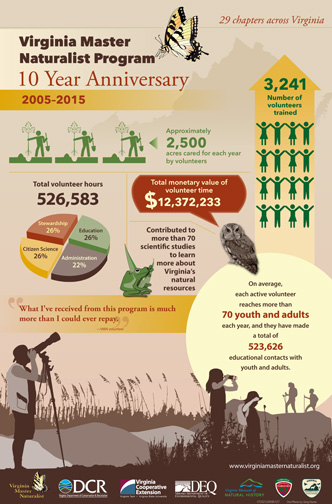
The contributions of amateurs to ecology, geology, and astronomy are more important now than ever before. Unlike heroes in fashionable biomedicine who have deep pockets for research and can win Nobel Prizes, amateur naturalists go uncelebrated as they step forward for voluntary conservation work with the satisfaction of “making things good” as their only reward. Last month, our local chapter of the Virginia Master Naturalist program celebrated the graduation of 23 new members. There are 28 other chapters in the State and similar programs nationwide that are growing rapidly. It is quite inspiring to watch these naturalists quietly giving their time and sharing expertise as they survey wildlife, improve habitats, and monitor weather patterns. These unpaid services help to improve the biological quality of nature parks and waterways and make huge contributions to knowledge in an era of environmental stress.

Virginia Tech Naturalists

Virginia Master Naturalist program celebrates its tenth anniversary in 2015

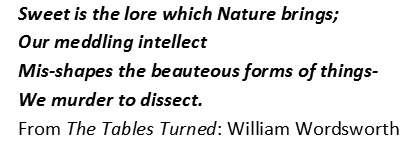
Amateur naturalists and professional biologists look like natural twins to outsiders because they have so much in common. But like twins, they occasionally fall out. The Romantic Poets who idealized nature were early critics of science before the Industrial Age got underway and before the storms over animal vivisection and so much more to come.

Wordsworth_Tables Turned

Naturalists who regard their role as defenders of the planet can turn scornfully on developments that threaten biodiversity, spread pollution, and release genetically modified organisms. Activists have launched hundreds of environmental organizations—the Ocean Conservancy, Greenpeace, Rainforest Action Network, Sierra Club, and the R.S.P.B. to name a few. Those who straddle as biologists by profession and naturalists by vocation feel uncomfortably dissected, like chimeras with two talking heads. This is not a clash between sentimental naturalism and hard-headed science, but about values and attitudes. Care, respect, even love, characterize the naturalist, whereas honesty, patience and caution are watchwords for the professional biologist.

Wordsworth’s poetry contains faint echoes of pagan deference to nature, but it also nods towards the New Age movement that emerged more recently. There have always been people for whom nature is spiritually refreshing, and some found joy in it when the rest of their world looked desperately bleak.

The two of us looked out at the blue sky, the bare chestnut tree glistening with dew, the seagulls and other birds glinting with silver as they swooped through the air, and we were so moved and entranced that we couldn’t speak.”  Ann Frank writing from a secret annex, February 23, 1944

Since mainstream religions always claimed to be guardians of spirituality and morality leaders, I wonder where they were in the debate about care of the environment. They were stuck in medieval theology for a long time.

When Darwin enrolled in Cambridge University, his intention (at least his father’s) was to enter the priesthood where there were many parson-naturalists. The Church of England offered a comfortable living for gentlemen, and enough spare time to pursue nature studies. Charles’ circumstances changed so he could pursue his first love full-time, but what were the attitudes of his contemporaries who took up holy orders? They rarely used the pulpit to preach stewardship of the creation, nor would Charles had he donned a cassock and surplice because apocalyptic visions of environmental collapse would have sounded bizarre even to ardent naturalists before the 20th Century. The long struggle of civilization to tame wild nature and meet human needs and wants was not yet over. Nature was scary. Besides, both Saints Paul and Augustine had elevated the doctrine of Original Sin to the center of theology, and the whole environment was caught up in this theological “corruption.” Much less attention was paid to the God of Genesis I, who expressed joy in his creation which was “very good.”

So many years later when Rachel Carson’s Silent Spring (1962) was published and a Green Movement was sprouting, there were young naturalists sitting in the same church pews who wondered if the church had at last a change of heart. It hadn’t. The clergy found so much more biblical exegesis for instructing us on the care of our fellow humans that it forgot to say anything about caring for the natural systems that support us. Perhaps the Commandment Thou shalt not steal comes closest to an environmental ethic, if it is construed as a call to responsibility for the sake of future generations.

Church of Scotland magazine

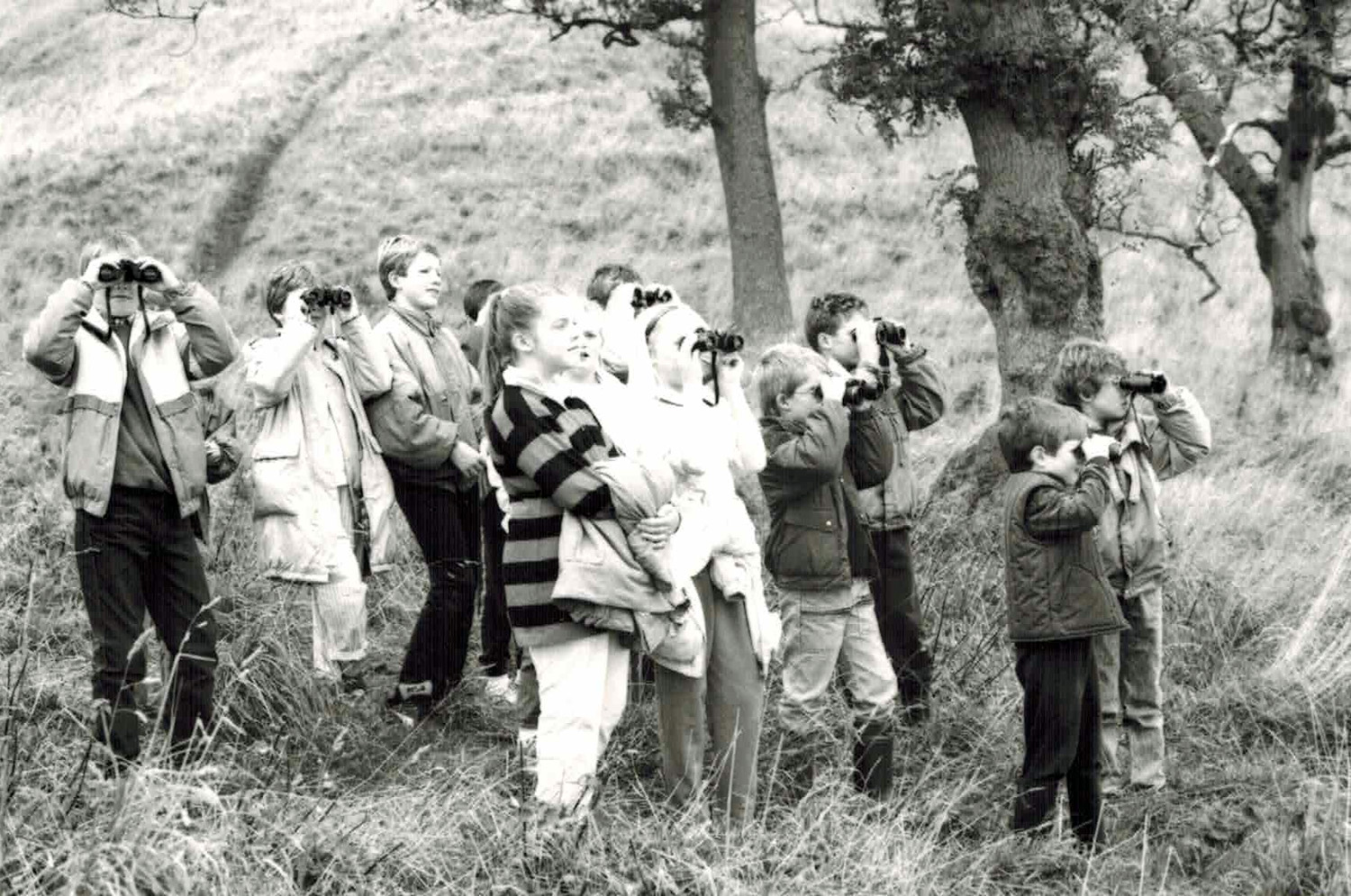
Young naturalists look out on a changing landscape – and to an uncertain future. From Life & Work 1989

As nature and church were dear, I found the clerical vacuity embarrassing and alienating. My frustration exploded in 1989 when I published “What on Earth does the Kirk think about Ecology?” in the Church of Scotland magazine Life and Work. Of course, a layman cannot stir up the church hierarchy, but there was a consolation when invitations to speak at the Women’s Guild meetings rolled in.

There has been dramatic greening of churches since those days, and thoughtful books from writers representing all the Abrahamic religions. This late flurry looks like a rearguard action to critics who suspect that churches are struggling to gain authority on a vital topic, but the new focus is nonetheless welcome. There is even a “Green Patriarch” heading the Orthodox Church, and an encyclical about climate change is anticipated from the Vatican where Pope Francis has already brought fresh attention to the subject.

The vocation of being a “protector”, however, is not just something involving us Christians alone; it also has a prior dimension which is simply human, involving everyone. It means protecting all creation, the beauty of the created world, as the Book of Genesis tells us and as Saint Francis of Assisi showed us. It means respecting each of God’s creatures and respecting the environment in which we live.” March 19, 2013.

Judging by action and behavior, most of the public is deaf to calls from governments, scientists and activists to live more carefully with nature. A Canadian environmental psychologist, Robert Gifford, calls our excuses the “Dragons of Inaction,” which include: “I’m only one, so my effort is a drop in a bucket/ Why should I bother when richer folk don’t/ I’m tired of the publicity/ I’m too busy in my job…” and twenty-seven other excuses where the pronoun “I” is dominating.

There is plenty of speculation about the future legacy of Pope Francis, but his call to be “protectors” of the earth could be the greatest. It is an appeal to people who have faith and others who have none, to those who are heads of state and industry and others who are powerless. Its scope is global because we face an uncertain future together, although the rich world still insulates itself from disasters that affect others, such as rising sea levels forcing emigration from oceanic islands, depletion of fishery stocks, crop failures, drought and desertification.

We have low expectations of progress or agreement between nations because of the drag of vested interests. When science, our best hope, fails to persuade or is befouled in politics what hope, what straws, are left? Perhaps only spiritual ones.

I hope the Pope will remind us of collective guilt for generations of aggressive handling of this wonderful heritage. If shaming is the first lesson, the second must be preaching the stewardship of care. He needs to inspire spiritual zeal that breaks through the old cynicism and the apologies of the Dragons of Inaction to a vision of a world order that is kinder to the environment, more just to the powerless, and considerate of human needs not only in his flock, but all.

The early church fathers had a Greek word, koinonia, which roughly translated means “communion.” They had in mind a fellowship of believers, but it is an apt expression for the “protectors” who Pope Francis is calling for.  There is something deeply spiritual in this idea. At the beginning of this post, I defined the word naturalist in a broad way, not restricting it to a clique of birders or voluntary conservationists, but embracing everyone who loves nature, even if they live their whole lives in the city. My definition includes the ladies I met in the Women’s Guild though they never strung binoculars round their necks, and Ann Frank who never hugged her chestnut tree. Everyone who cares about nature has the heart of a naturalist, because they share a passion for the earth.

Next Post: Pantry for Paleos

Posted in Environment | Tagged , , , , , , , , , , | 2 Comments

Virginia Nature Journal for March

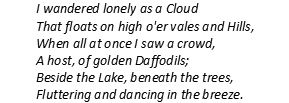
Daffodils stanza 1

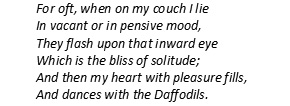
DaffodilsThe poem was inspired by thousands of wild daffodils blooming in woods around Ullswater in the Lake District of England in the spring of 1802. I imagine Wordsworth on horseback in a tightly-fitting frock coat, pantaloons and hessian boots, while his sister, Dorothy, rode side-saddle in a redingote and floppy hat. When he came to compose Daffodils two years later, he drew from her journal entry, though it was the remembrance that inspired a reviving experience:

Daffodils stanza 4

They are pretty lines that schoolchildren have read ever since they were published. We love them because daffodils herald the joyous season when nature is reborn.

Wandered lonely as a cloud continued

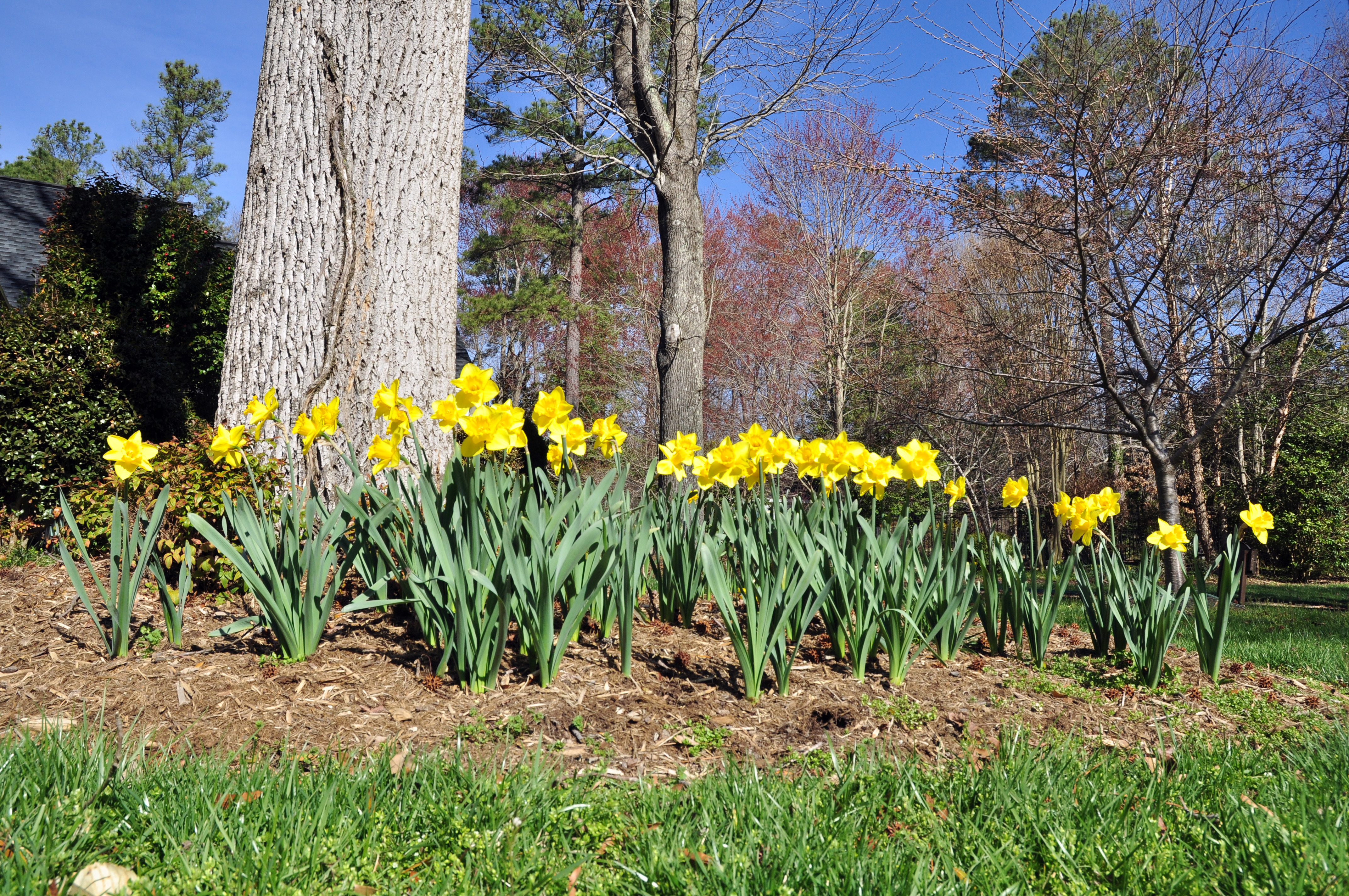
The yellow trumpets looked like a friendly crowd of people nodding and dancing as the pair rode past them on the lakeside path. In previous centuries, the woods and countryside almost everywhere were regarded as fearful places where highwaymen lurked and superstitious people believed goblins would trap an unwary traveler. But the poet was making a fresh and romantic connection with the spirit of nature, just as the cheerful days of spring follow the dark, northern winter. Wild plants, birds, and animals were not aliens after all, but fellow creatures that celebrate rebirth in their own ways, just as the Wordsworth family would at Eastertide in St. Oswald’s Church, a few steps from home in Grasmere.

The Wordsworths lived during the Little Ice Age which began after the Medieval period and lasted until about 1850. A diarist of the time wrote that just three years earlier, “No vegetation in the fields, nor blossoms upon the fruit trees, on the 7th May, 1799. The skins of upwards of 10,000 lambs, which perished in the spring, were sold in this town. The weather was cold and wet all through the year.”  The weather is particularly fickle in the Lake District, even by British standards, and then as now there was much variation from year-to-year: the years 1800 and 1802 were much warmer and drier. It’s hard to make sense of climate change from a few sample years, or predict what the next year will bring.

The month of March is a time when people living in the Northern Hemisphere look forward to the first blossoms on plants and trees. Unfortunately, the dates of blossoming have not been recorded as assiduously over the centuries as temperature (continuously logged in the UK from 1659), yet they are vital for monitoring whether seasons are changing and for anticipating impacts on agriculture. Phenology is the name of the science that records blooming and ripening times, and when animals migrate and start breeding. Think of cherry blossom in Washington DC and California poppies on the West Coast.

We mark this month on our calendar for planting in our veggie garden, or moving a coffee table outdoors or cleaning the barbecue grill. The natural world is no respecter of the calendar, but watches the auspicious cues of daylight and weather to make a more sophisticated calculus than an old farmer’s almanac. Project Budburst draws on this natural wisdom  by recruiting citizen scientists across the United States to collect “phenophase” records of when the first buds burst, flowers open, and fruit ripens in their locality. As the database swells, an impression is gained of nature’s “sensibilities.”


Weeping cherry, Williamsburg VA (April 4, 2015)

Weeping cherry, Williamsburg VA (April 4, 2015)

Spring burst upon us suddenly up and down the eastern seaboard after a cruel winter. Our weeping cherry tree blossomed today like an Easter bridal veil, a full ten days later than after the mild winter of 2010. Likewise, the daffodils that are often finished before Easter, are today still bright and cheerful with only a few trumpets curling in the sunshine.  Yet nature often fools us because bloom dates do not always conform to our perceptions of what the weather has been like or where climate is heading. As one of spring’s harbingers, daffodils will contribute to the unfolding of science, but will always provide “jocund company” for poetic hearts.

Next Post: Naturalists called to the wild side


Posted in Seasons in Virginia | Tagged , , , , | 1 Comment

The Bard of Beckenham

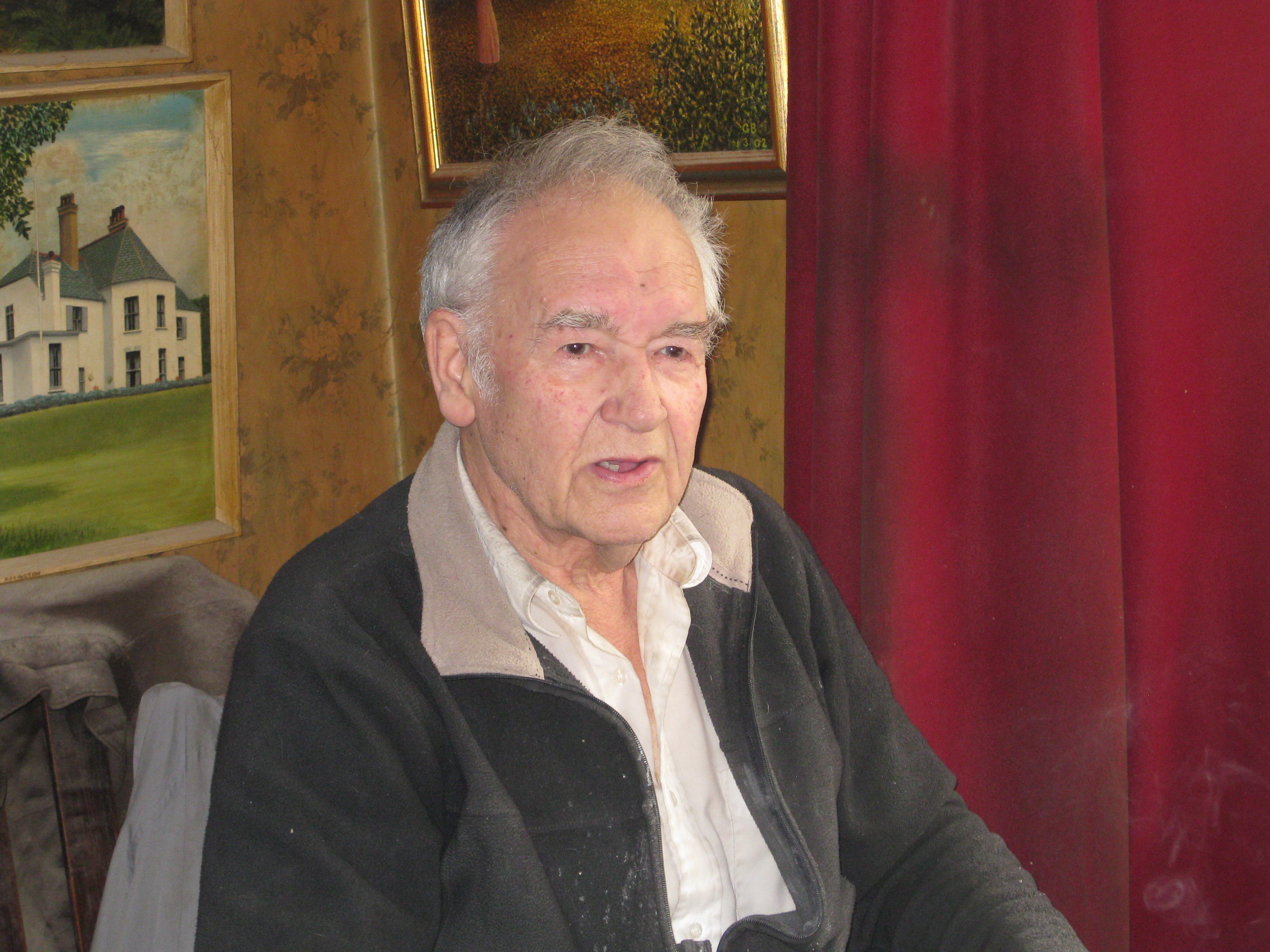
Gordon Burness in his London home in 2014 aged 86

Gordon Burness in his London home in 2014 aged 86

Gordon Burness was born in London on May 7, 1928. When he died in the same city aged 86 he left no large footprint in history, but those close to him knew that a remarkable man had passed. He had none of the career achievements we expect in a notable life, but instead he excelled as one of those “great amateurs” British people are proud of.

In his own words, his school education “was virtually terminated” in 1939 by the outbreak of War. Two years later he was evacuated to the safety of Wales where he often got into trouble and “was punched to the ground by the headmaster for being the worst behaved boy in school.” He was exiled to a remote hill farm from which he rode on horseback to school, and absorbed practical knowledge birthing cows, slaughtering pigs and learning how to fish and shoot. He returned to London in time for the V-2 rocket bombardment in 1944, but the family home was spared.

His first phase of life over, he enrolled as an apprentice toolmaker in a factory until it closed when he received a redundancy payout of ₤200 ($300). He had no other paper qualifications, but eventually found a job as a security officer on a property where he had once hunted illegally: the poacher turned gamekeeper.

In the post-war years of meat rationing, poaching on private land was an irresistible temptation because he could earn a savory supper for his family and sell pheasants and rabbits to buddies at his factory. When the factory and poaching were behind him, his third phase was a deepening interest in wildlife for which he exchanged his shotgun with a camera. He learned how to track animals and became an expert mimic of bird song, but apart from a single trip to Scotland he never traveled far from his home turf. He published beautifully illustrated articles in magazines, and became widely known in naturalist circles after discovering a very rare albino badger in 1962, accompanied by two young brothers, Gary and Phil Cliffe.

Gary with Snowball, the albino badger

Gary with Snowball, the albino badger

That was when I met him for the first time, under rather inauspicious circumstances. I was a young teenager watching the same badger den (“sett”) one night when they surprised me by shining a flashlight up to my perch in a tree. Gordon was unhappy that I had stumbled on his project, but after our next meeting, this time in daylight, we became life-long friends. The first of his two books, The White Badger published in 1970, sold well, and the story was featured nationally on children’s television.

After Constable (unfinished) by Gordon Burness

After Constable (unfinished) by Gordon Burness

His fourth phase began in the early 1970s when he took up oil painting. He completed thirty-two canvases, which hung around his home gradually glazing with nicotine. He painted to a background of classical music, and particularly loved Wagner’s Ring Cycle which he called “a thirteen-hour cerebral orgasm.” His brush technique was excellent, especially considering he was untutored in the art.

When he was no longer inspired to paint he turned to poetry, his fifth phase. Despite little education in English prose and poetry, he was a natural wordsmith and told me his compositions reflected “our personal frailties and his personal views.” This oeuvre is not a large legacy, but as revealing of the man’s character and broad interests as his paintings. He could be very droll, loved concocting jokes and limericks, and was unfailingly cheerful even towards the end when nearly blind and weakened by ill-health. His fun-loving heart could spend weeks poring over a painting or poem created to amuse himself or a rare visitor.

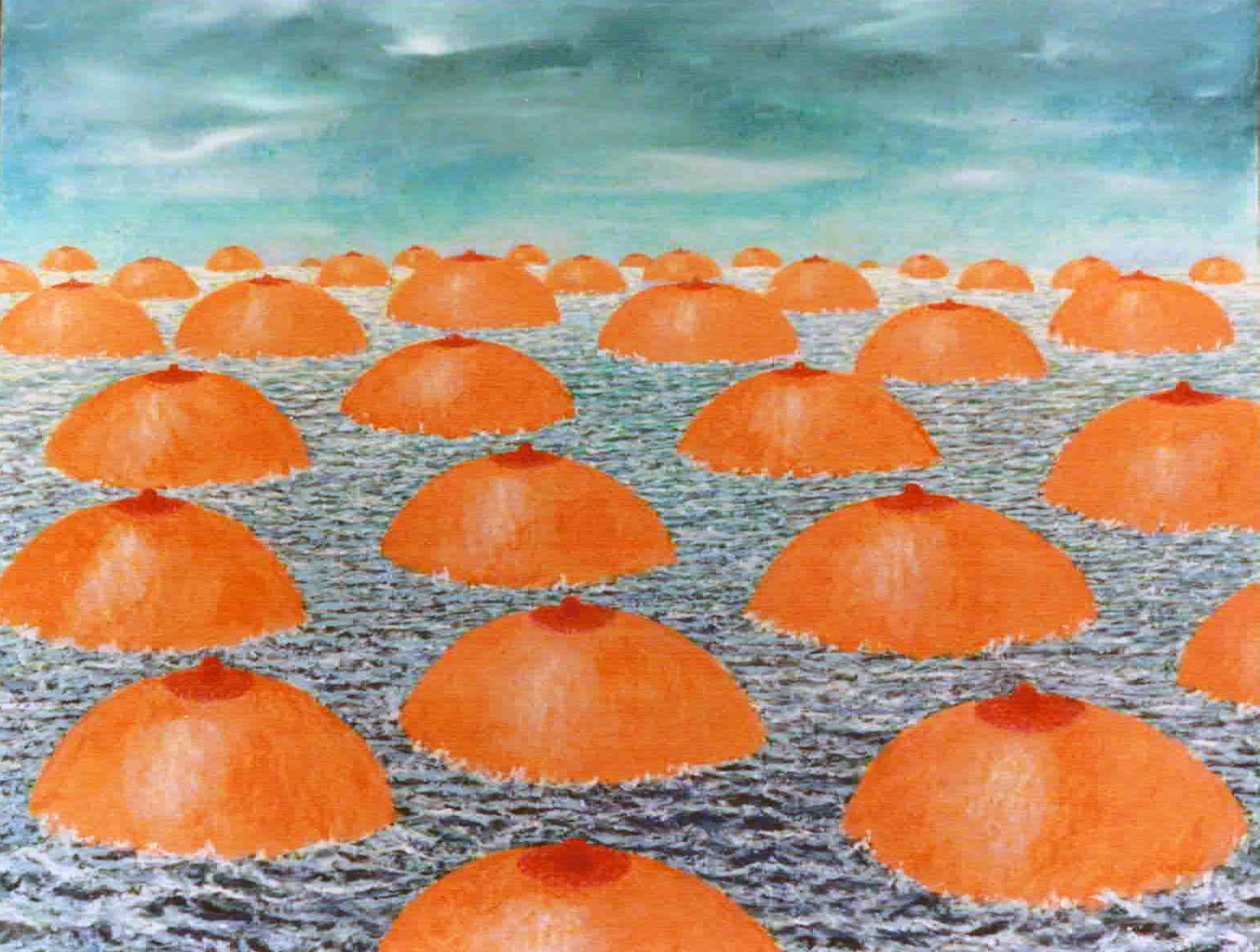
Dreams Afloat by Gordon Burness

Dreams Afloat by Gordon Burness

He loved the ladies and they returned the favor because he was charming and funny. Although several fell in love with him he never married, which was a great kindness because he prized his privacy.

From 1987 he looked after an ailing brother and an elderly mother. For nearly two decades after they died he was virtually a recluse, only leaving home (and most reluctantly) for a medical emergency or a follow-up. His retiring habits were badger-like. Josie, a good-hearted neighbor, mailed his letters and brought home shopping, including the all-important cigarettes.

He smoked heavily from boyhood days in Wales, and over the years I noticed his ceilings and walls yellowing and finally turning orange. “Fags help me think,” he told me.

He had a deep interest in science, sometimes asking searching questions about astronomy and biology. He was ahead of me with news about the Hubble telescope, and invented plausible theories about the clocklike pineal gland and the tapetum in the eyes of nocturnal animals. His ingenious mind led to the manufacture and marketing of a couple of mechanical devices, but he forgot to take out patents.

I wonder what he might have achieved had he started life in better times and with more advantages. But he never complained and had no wants beyond a smoke, the latest test cricket score, and to chin-wag with a friend. He said he felt lucky because he had done everything he wanted. It is a rare privilege to have known a fully satisfied human being.

*****************

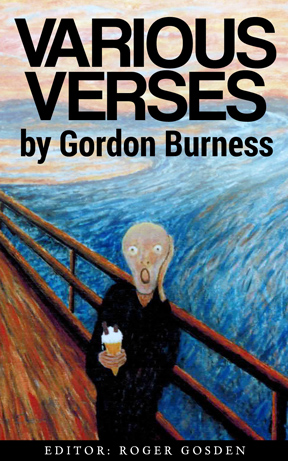
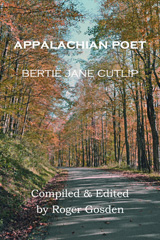
Book cover from Gordon's painting titled "Ice Cream" after Edvard Munch's "I Scream"

Book cover from Gordon’s painting titled “Ice Cream” after Edvard Munch’s “I Scream”


Gordon’s poems and samples of his nature writing have been compiled in an anthology published on the day of his funeral by Jamestowne Bookworks. It is available as a digital book for 99 cents from Amazon.


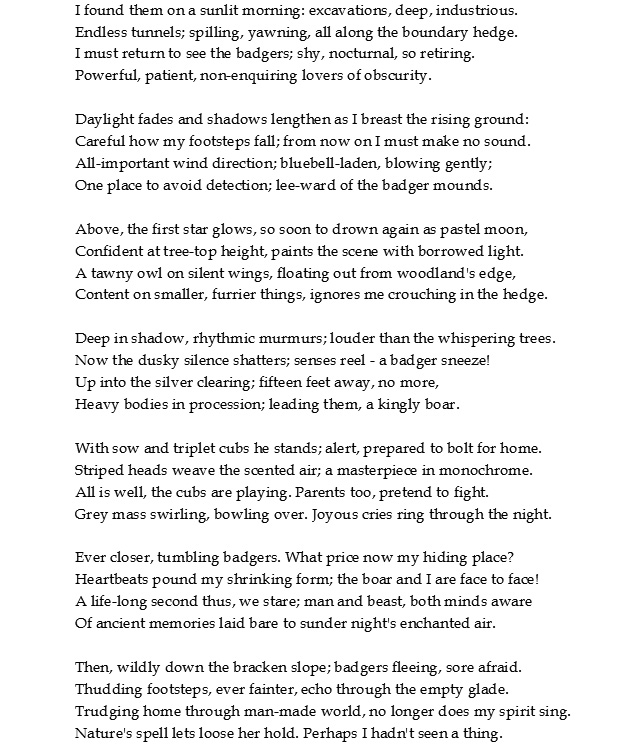
Gordon was an all-round naturalist, but he had a special fondness for badgers. My favorite poem is Badger Watch.

Badger poem

Next Post: Paleo Pantry

Posted in Memoir | Tagged , | 1 Comment

Virginia Nature Journal for February

William Carlos WilliamsWe had exceptionally chill temperatures and heavy snow throughout February up and down the East Coast this year. Cold air that normally hangs over the north-west was pushed down to the Plains by the jet-stream, leaving Alaska feeling relatively balmy. As if that affront was not enough for one winter, we were also battered by a nor’easter in early February. Virginians with long memories tell us that not since 1980 can they remember a deeper winter in Williamsburg.

Snow disappears first under trees

Snow disappears first under trees

The melt always starts first on roofs and asphalt driveways because the dark colors absorb even the feeblest infra-red rays that penetrate the translucent snow cover. The next place for snow to go is on the compost pile, which shows that our microbial and fungal friends are not  slumbering but can still generate a little heat. Snow starts its ground retreat from under bushes and trees and reaches open ground last, where there is plenty of solar radiation. Perhaps the snow that settles on evergreen foliage and boughs rarely falls to the base of the tree but melts in situ, disappearing more quickly on darker colors.

This is a good time for gazing at the bare skeletons of sleeping trees. The verticality of their trunks is more obvious as they snub gravity; their crowns are so marvelously balanced and finished with a tracery of fuzzy twigs. Any gaps caused by wind damage will be filled in the growing season by disproportionate new growth. Under the boughs, there is a litter of small branches and twigs among the fall remains of acorns, walnuts, and maple wing-nuts. The wood looks wasted like unlucky victims of storm damage, but this kind of pruning is so necessary because branches multiplying each year by compound interest would soon become overloaded. Shedding weaker twigs is a picture of natural selection in motion.

oak tree

Pin oak

When Leonardo da Vinci mused about the shapes and dimensions of trees he recorded a curious fact. Irrespective of height above ground, the cross-sectional area of a branch equals the sum of the same dimensions in the branches it subtends. This rule applies at each transition from trunk to uttermost twig. The standard explanation is plumbing. We might expect to find this correspondence because the living cambium and conducting vessels continue from each branch to its daughters.

According to a recent paper in Physical Review Letters from a UCSD biophysicist there is another explanation. He formulated a mathematical model that closely fits Leonardo’s observations but suggests that this geometry gives the branches the best strain resistance to high winds. Perhaps we don’t have to choose one theory over another but can accept that both may be correct. Biology is neat and good at math.

The clearing patches of snow under trees are good places for wildlife that can’t migrate or hibernate. Small birds and rodents scratch for a living among the brown leaves between the green spears of daffodils while sapsuckers drill neat holes above for licking at the weeping sap. Bird feeders are the avian equivalent of soup kitchens: they can save lives in hard times. But they also offer easy pickings for predators like our pair of red-shouldered hawks unless the prey dashes into cover nearby. Despite the continuing grip of winter, lengthening days make spring brains. As soon as their breakfast is over, cardinals and Carolina wrens burst into song and a crow proudly carries a twig to an untidy matt in an old pine tree.

Next Post: The Bard of Beckenham

Posted in Seasons in Virginia | Tagged , , | Comments Off on Virginia Nature Journal for February