Black vultures

Deer munch on our flower borders, strip foliage to head height, and rub bark off trees with their antlers in the rutting season. We grumble yet feel sad coming across a beautiful animal that died on our property after a road accident. We often find only their bones.

I rarely need to bury a carcass because scavengers soon arrive to devour all the soft tissues. Sometimes, we have more than a dozen Black Vultures crowding over it. It’s not a pretty sight and the stench of the birds can drive you back far more than the corpse. I can walk within a few feet without disturbing them because they have little fear of humans, being protected under the Migratory Birds Act. And why should I scare them away when they provide a free service?
THE NEWSLETTER, ON SUBSTACK

Enjoyed this essay?

Join me on Fertile Ground: occasional essays on nature, science and medicine, sent to your inbox.

More to read

We were Pleistocene Predators

We were Pleistocene Predators

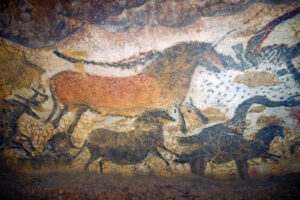
As natural is a word with a vast definition, diet is one with almost unlimited scope. Hence, the exploration of a natural diet as the touchstone of optimal health is but a Grail quest. The omnivorous diet of the San

Read essay →
Baobab trees in the Botswana landscape

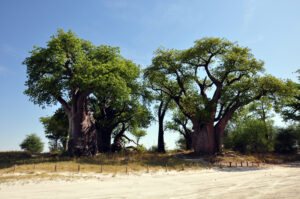
Baines Baobabs in Botswana

Of all the trees I have ever seen in Africa the Baobabs are at the forefront of memory.  I saw my first specimen in the sandveld of Nxai Pans in northern Botswana. Then we drove to the famous Baines Baobabs.

Read essay →
Flight of the Eagle

Flight of the Eagle

Not the Swedish film, but the release of female bald eagle #15-1667. Almost two hundred people gathered at York River State Park for the arrival of the veterinary director from the Wildlife Center in Waynesboro. He was returning a V.I.B.

Read essay →
Scroll to Top