
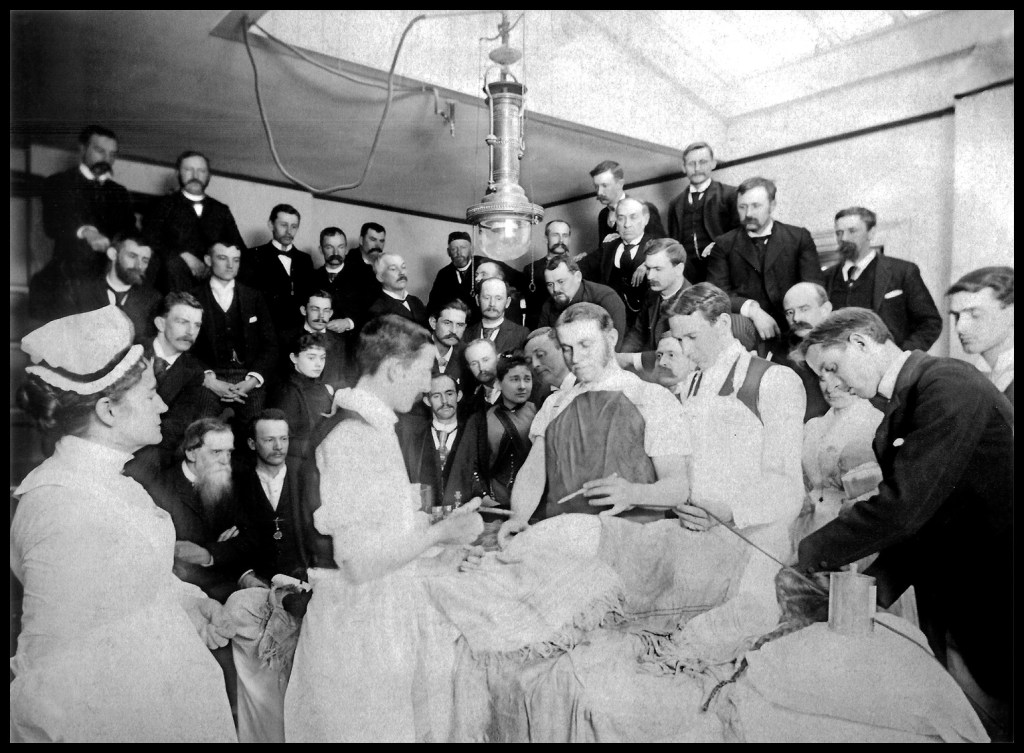
The Long Stillwater is a chapter Robert Morris, M.D. wrote to celebrate a love of nature from a trove of memories. Stillwater is hardly a dictionary word, but it made sense yesterday as I floated on a mirror-perfect patch of still water on the inside bend of Powhatan Creek. A few yards away, tidal water surged upstream to revisit saltmarshes to a terminus in a swamp of bald cypresses. Morris wrote:
When a man retires from the swift rapids of an active professional life he arrives at a long stillwater, but the banks of that stillwater are so alive that his days continue to be brimful. Unlike Gibbon who felt desolate after completing his history, the doctor goes on, for medicine has been collateral to many other interests which were always in the clover field just over the fence. I look forward with almost boyish eagerness to new work and playtime to re-read the old classics and to enjoy choice literature, and time to live in the out-of-doors. I shall stalk the moose and bear, not with a gun but a camera. Now I can go when the Red Gods call.
He must go ― go ― go away from here!
On the other side the world he’s overdue.
‘Send your road is clear before you when the old Spring-fret comes o’er you,
And the Red Gods call for you!
Several years ago, I left a determined bass of violent nature and fancy greenish luster under a crawfish bank in the swift-running waters of the upper Mississippi. I know just where he is this very minute, and I can now go back to him and cast a black raven fly into that white foamy eddy. When corn is in the shock and autumn leaves are falling, Lou Smith and I shall climb over the frosty top rail of a shaky old fence just before sunrise to hear a woodcock go twittering up through the alders. I know an inlet for safe anchorage by the sea where halyards will slap against the mast and the boom will bump, bump, bump while surf is roaring and growling on the outer bar and brant geese go filing overhead.
The saddle will creak monotonously on my broncho as I plod hour after hour through scattered mesquite and cacti in the overpowering, awe-inspiring silence of the desert. Once more, I may enjoy the fragrance of sage brush after a rain and see the ocotillos in bloom with no more hurry than that of a Navajo Indian when he feels like resting. For companionship in the desert, I shall choose a friend for whom hardship is nothing but a diversion.
Then back perhaps to Eastern Canada, where all is green when it is not blanketed with snow. From somewhere among the tangled viburnums and blue Clintonia berries two white-throated sparrows will sing to me and my companion in clear tones in clean air. The wind will be moving in the forest, and gold flakes of sunlight will filter through the birches to the mossy logs. A hermit thrush will send tones of spiritual ecstasy ringing through the silence, modulating from minor key to major key and back again, while evening lights fall slanting through the somber tops of pointed spruces. And neither my companion nor I shall speak, for we have learned that “music begins where words end.” And when the grandest of all music, that of storm, is approaching, I shall go forth to meet it, high up among the crags and peaks.
How I love a storm! The wind slowly dies, and an ominous quiet settles down over motionless gray lichens. From out of the west, bold rolling heads of cumulus come marching with martial front into the afternoon’s clear blue heaven; volume crowding volume, on they come! The sky darkens and blackens. In massive majestic motion, the heavy clouds sink lower than the crags. Darkness is everywhere. My fingertips tingle with electricity for a moment. Suddenly, there is a brilliant flash of startling light; then a devastating crash makes the solid rock quiver under my feet. Reverberations go bounding along in diapason from canyon to canyon—grand organ pipes of nature. Thundering echoes roll on in deepest bass. On to distance, distance, distance—lost! A momentary hush of ponderous quiet, as the affrighted air stands still before the next, the impending crash.
Jove’s message is delivered and his heralds rapidly disband into vast loose volumes of nimbus, shot through and through with long shafts of crimson and titanic fan rays of deeper red. Bright sunshine lights the evening sky once more and high peaks glow, but soon long shadows creep down to darkening vales for night and deeper dark. ‘Tis then I am the mountaineer, and yet at times, when all is still, I seem to hear loud surf—but that is only memory for one who loves the sea.
Extracted from A Surgeon’s Story. The Autobiography of Robert T. Morris. Compiled and edited by Roger Gosden and Morrris’s granddaughter, Pam Walker (2013)











 Roger musing about Peace with Nature