I love this project (click to YouTube).
The musician Ellie Wilson worked with Oxford Contemporary Music and scientists who studied biodiversity to transform recordings of night-flying moths into music gently accompanied by traditional musical instruments.
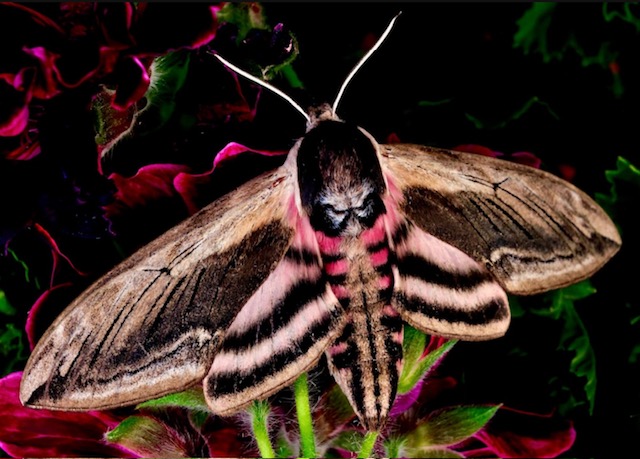
Moths are mysterious denizens of the night. Underappreciated compared to glamorous butterflies or beneficial bees, yet they provide pollination services while foraging. There are 2,500 species in the UK alone with only two unwelcome nibblers of wooly sweaters we store in cupboards.
Ellie assigned a specific sound motif to each species recorded on a monitor in the field or from tapping their wings inside a glass lamp after getting trapped at a research base on Salisbury Plain, Wiltshire. The composition will have its premier performance on July 5 at the Southbank Centre in London.
The team hopes to draw more attention to the plight of nature in the country. Moths are in steep decline throughout their range, like so many wild creatures, but least acknowledged. The music fades toward the end from recordings in a far less biodiverse place: farmland dominated by a single crop sprayed with pesticides.