Indigo Bunting
Photo: Inge Curtis

The canary yellow of goldfinches in summer may be more eye-catching, but the male Indigo Bunting is an attention grabber, far more than the female who might pass as a brown sparrow unless you noticed her white throat.

It takes its name from the blue pigment extracted from plants for dyeing clothes (think of denim jeans), although the blue feathers are unpigmented. We might call it a structural color because the hue is created when light is refracted by passing through keratinous filaments filled with air pockets.

Other species of buntings have been recorded in Virginia, although uncommon or rare. The euphonious word ‘bunting’, also used for a flag, has been around for such a long time its origin is lost.
THE NEWSLETTER, ON SUBSTACK

Enjoyed this essay?

Join me on Fertile Ground: occasional essays on nature, science and medicine, sent to your inbox.

More to read

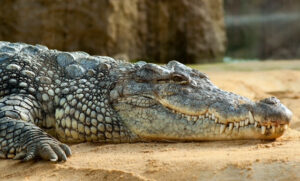
Male Alligators & Crocodiles like it hot

Male Alligators & Crocodiles like it hot

I might live to see gators from North Carolina colonize our local swamps and creeks. Warmer winters from climate change will entice them and torrid summers push them north. Or maybe not. After recovering from overhunting for making leather handbags,

Read essay →
Tango in the Snow

Tango in the Snow

On Valentine’s Day, I queried an AI bot about the idealistic love that Ancient Greeks called agape and compare it with the romantic notion of love. This is how it replied: “The main difference between romantic love and agape love

Read essay →
Locust Nuptial Dance

Locust Nuptial Dance

Not much stirs on a sultry afternoon in the Alleghenies. There’s a raven croaking, a Tiger Swallowtail swooping, a bluebottle fly buzzing around in crazy circles.And what seemed at first sight another butterfly, it rises from obscurity on the dirt

Read essay →
Scroll to Top