World Bee Day Saturday

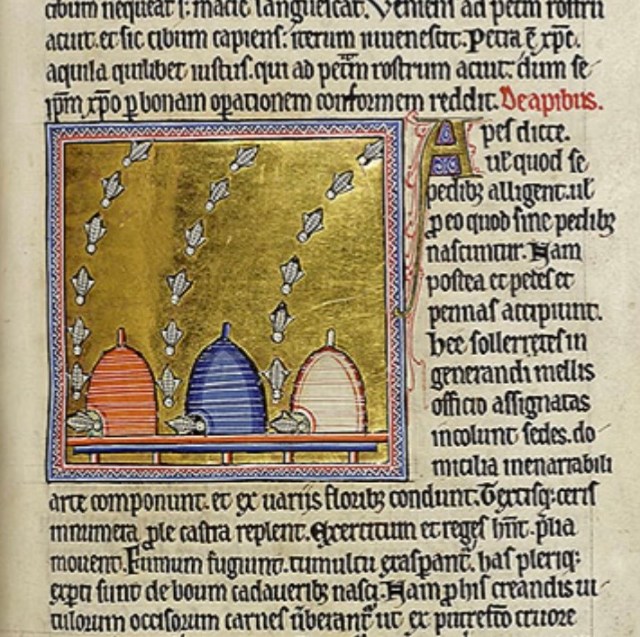
Aberdeen Bestiary
Aberdeen Bestiary, Aberdeen University, Folio 63r (CC)

The services of bees have been valued for millennia. In the early Middle Ages, they provided honey for sweetening, mead and beer, wax for candles, sealants, and much more. The only benefits never mentioned then are pollination services, the prime reason we celebrate them today.

So critical to the local economy, laws were enacted to protect bees in medieval Ireland. The Bechbretha set out rights for ownership and compensation.

This fragment of an English illuminated manuscript dates to about 1200 AD. It depicts bees as moral examples. They are hardworking and live peaceably with neighbors in a hierarchical society. Sermons were preached, praising their virtues in churches, though riddled with myths. The Big Bee was a king without a sting (more noble!) and his subjects were born in the carcasses of rotting oxen!

THE NEWSLETTER, ON SUBSTACK

Enjoyed this essay?

Join me on Fertile Ground: occasional essays on nature, science and medicine, sent to your inbox.

More to read

The Bard of Beckenham

The Bard of Beckenham

Gordon Burness was born in London on May 7, 1928. When he died in the same city aged 86 he left no large footprint in history, but those close to him knew that a remarkable man had passed. He had

Read essay →
A Tree for Hugging

A Tree for Hugging

If the Ancient Greeks ever had a deity for protecting the environment it was Artemis. She was a goddess of the forests and wilderness, a defender of the vulnerable who once hid in a chestnut tree from Zeus when he

Read essay →
Scavengers

Scavengers

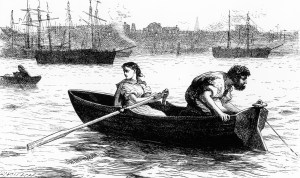
“Half savage as the man showed, with no covering on his matted head, with his brown arms bare to between the elbow on his shoulder, with the loose knot of a looser kerchief lying low on his bare breast in

Read essay →
Scroll to Top