Whimbrel on the beach
Photo: Inge Curtis

An elegant shorebird with a lovely piping call of the wild. After they leave their breeding grounds in the tundra,  Whimbrels stop to feed on fiddler crabs in the mudflats of the Eastern Shore of Virginia. By October, they leave here for wintering grounds in the Caribbean basin and South America. The journey is thought to be along the Western Atlantic Flyway with other shorebirds, including Red Knot.

Dominion Energy is planning to build wind turbines about 23 nautical miles off our shores as a major contribution to reducing greenhouse gas emissions. To study the risks for migratory birds, the Nature Conservancy and the Center for Conservation Biology have attached GPS transmitters and altimeters to 15 whimbrels this year for mapping their route(s) on fall and spring migrations. Planners will be relieved if the birds avoid the wind farm and fly higher than the towering turbines.    

THE NEWSLETTER, ON SUBSTACK

Enjoyed this essay?

Join me on Fertile Ground: occasional essays on nature, science and medicine, sent to your inbox.

More to read

SNPs are Us

SNPs are Us

It won’t be long before snp is added to the pantheon of approved English words in the OED. It will sit among those rarest of words, those that lack a vowel like the crafty Welsh invented—cwm (a mountain hollow), crwth

Read essay →

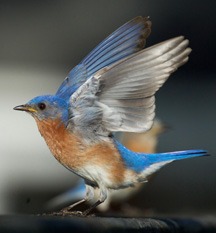
There’ll Be Bluebirds Over

The American composer of “There’ll be Bluebirds over the White Cliffs of Dover” either had the excuse of poetic license or didn’t know that bluebirds are absent from the British Isles. But the song became one of one of Dame

Read essay →
Drain the Swamp

Drain the Swamp

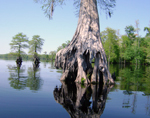
Drain the Swamp! It’s the refrain of a U.S. President who prefers time on the barren grass of golf courses to life’s abundance in natural wetland. Calling somewhere a swamp is never a compliment, and it’s not a pretty phrase

Read essay →
Scroll to Top