As world leaders prepared for COP27 in Egypt, the acclaimed French economist, Thomas Piketty, warned in Le Monde, “It is impossible to seriously fight climate change without profound redistribution of wealth.” He echoed an earlier UN report.
There’s a vicious cycle in which people who are already disadvantaged are disproportionately affected by climate change as they suffer from more inequality. The political headwinds have been going against the socio-ecological left that advocates wealth redistribution. Nationalist governments rise and even Lula’s agenda will be strained by gusts from Brazilian agribusiness interests.
I guess the wealth gap between the super-rich and the rest of humanity is greater today than ever. Piketty blames the Great Recession of 2008 and Covid for widening the gulf. To give it perspective, imagine if a nation the size of Switzerland (8 million and only 0.1% of total humanity) owned 20% of the world’s wealth (equivalent to a year of global GDP). Narrower differences in prosperity have sometimes sparked violent revolutions in history, so we hope for a peaceful transition to greater social justice.
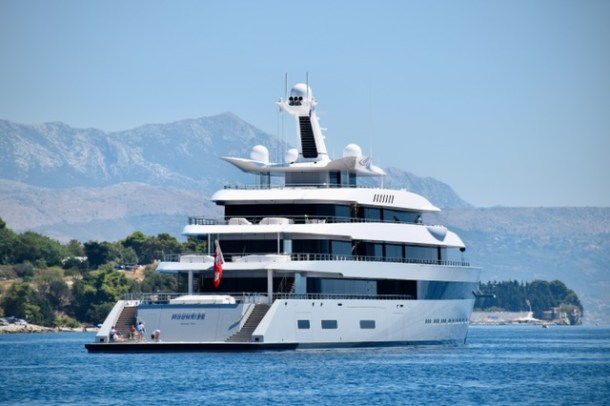
Climate change impacts everyone, but the wealthiest enjoy outsized shares of the world’s goods and are least affected. They can escape disasters in their superyachts and private airplanes to other penthouse suites or chateaux adorned with rare artworks and rest secure with investments spread wide and hidden. The poor are stuck in situ and migration is getting harder for them.
The top benefits for the poor and middle classes from redistributing wealth are education, health, and housing. Investing in human capital will enable them to benefit from clean energy and climate mitigation and reduce their risks from pollution and dangerous occupations. And as child mortality falls in the poorest countries, the incentive to have large families will wane faster.
Unfortunately, Professor Piketty isn’t attending COP27 although he has probably made these points in his chapter of Greta Thunberg’s new climate book.