It is mid-February after the coldest weeks I can remember in south-east Virginia. Our summer visitors are still wintering in balmier latitudes; they won’t fly north for another month, but some locals are on the move.
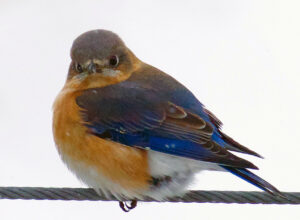
A cloud of Common Grackles and Red-winged Blackbirds often land to feed on our lawn and chase smaller visitors off the bird feeders. The noisy, boisterous flocks look Hitchcockian, numbering a few hundred, but when I walked the dogs, I heard a vast twittering flock approaching from the east, too high to land nearby or even identify. (The headline image is not either of these species)
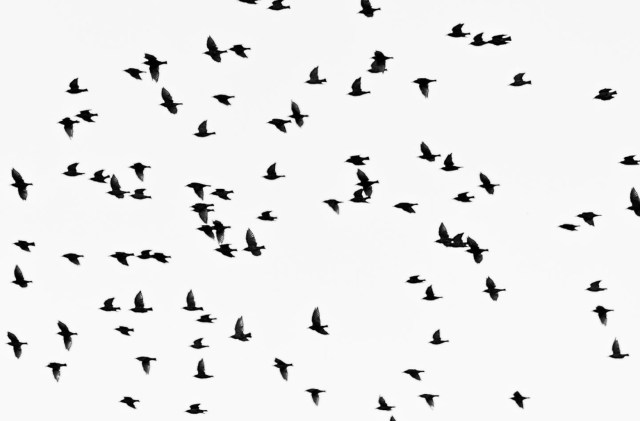
They kept coming … and coming … and coming. It took three minutes for the flock to pass. I estimated the column at over fifty wide, but they flew so fast I couldn’t do more than guess at the total, certainly many tens of thousands, and likely ten times ten the number.
To use a hackneyed word – they were awesome. But they didn’t perform the kind of murmuration that Starlings are famous for, the collective acrobatics that forces a stop for watching the performance. The blackbird flock, probably a mixture of the two species plus some fellow travelers, flew in a steady stream toward an unknown roosting place under the setting sun. I saw a Sharp-shinned Hawk race after a straggler. There’s safety in numbers except for tail-end Charlie!
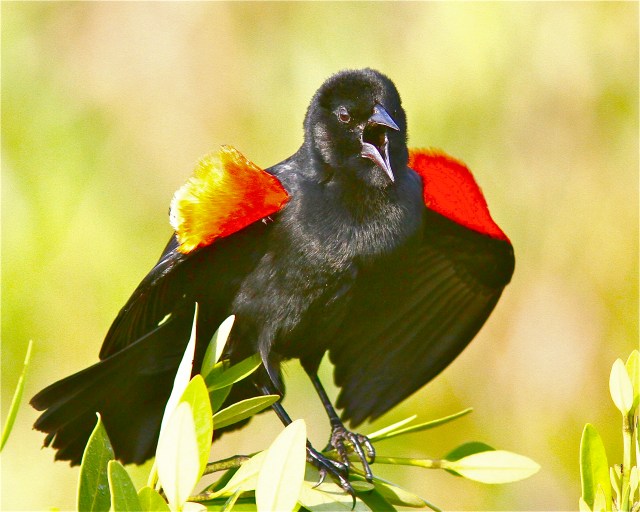
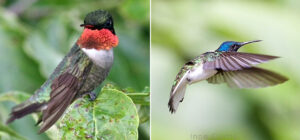
Image credits, respectively: Pexels (Aleksandar Pasaric) and the late Inge Curtis