Imagine my shock. I poured a glass of fine wine for a French neighbor in New York and, before showing him the bottle, he identified it by a sniff – the region, vineyard, and almost got the vintage. My nose humbled by this feat, I gazed at a man who missed a vocation as a master sommelier.
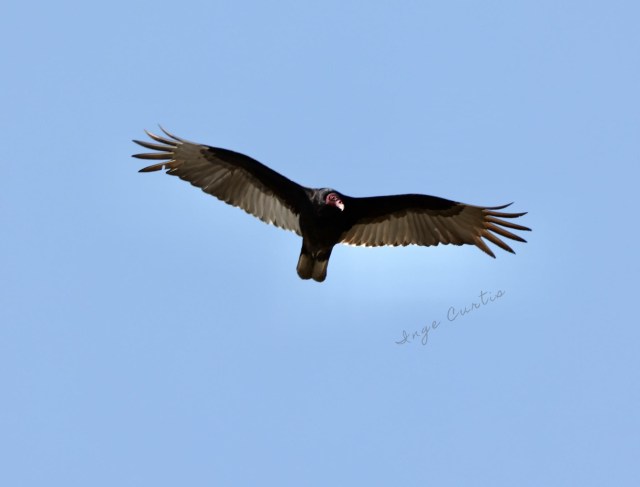
Smell is our least sense (same for apes) that never garnered much public attention until becoming a symptom of covid-19 infection. An odor must be pungent for my nose to take notice, so I didn’t detect anything unusual in the air in our back forty. But my heart missed a beat when a dozen Black Vultures flew up on heavy wingbeats from behind a brush pile, looking like medieval plague doctors with a hooded beak.
I found a white-tailed deer lying on the ground, so recently dead that ants hadn’t found it yet. After moaning about the population boom of hooved locusts that devastate gardens and farms, I felt sad to see the beautiful animal, whose death is still a mystery. I left to bury it another day.

The story goes that birds, including Black Vultures, have a poor a sense of smell like us. But for every rule there seems an exception, and in this case several. The obvious one is the Brown Kiwi with nares at the tip of its long bill for sniffing earthworms in the dirt. Olfaction makes sense for a nocturnal species. The Turkey Vulture is a diurnal counterpart, and seldom is the hour when one isn’t patrolling overhead in wobbly flight.
Their large olfactory bulb with dense connections to receptors suggests an acute sense of smell. But discovery of their talent for smelling carrion up to a mile away came not from dissection but more serendipitously in 1938. They were spotted gathering at the site of a gas leak from pipes of the Union Oil Company, attracted by traces of mercaptan, a sulphurous additive that smells like rotten eggs.
Turkey Vultures are often first to find a meal not in plain sight, and Black Vultures tagging along never needed to evolve olfactory acuity.
Both species returned to feed, and repeatedly. They hadn’t waited for the meat to be tenderized, not because their stomachs can’t sterilize rotted food, but other scavengers might get there first. In four days, the deer weighing about 150 pounds was reduced to bare bones by the most efficient and discreet disposal agents around town. On average, each vulture feasted on a few pounds each day. They saved me the trouble of burying a corpse before neighbors with a finer sense of smell than mine complained.